
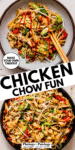
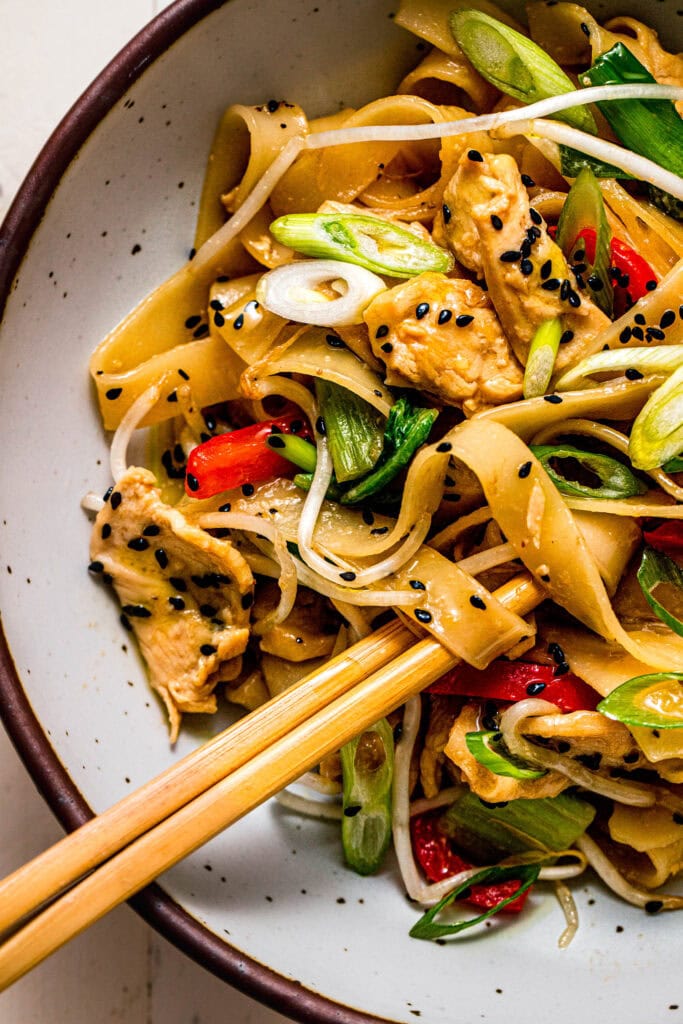
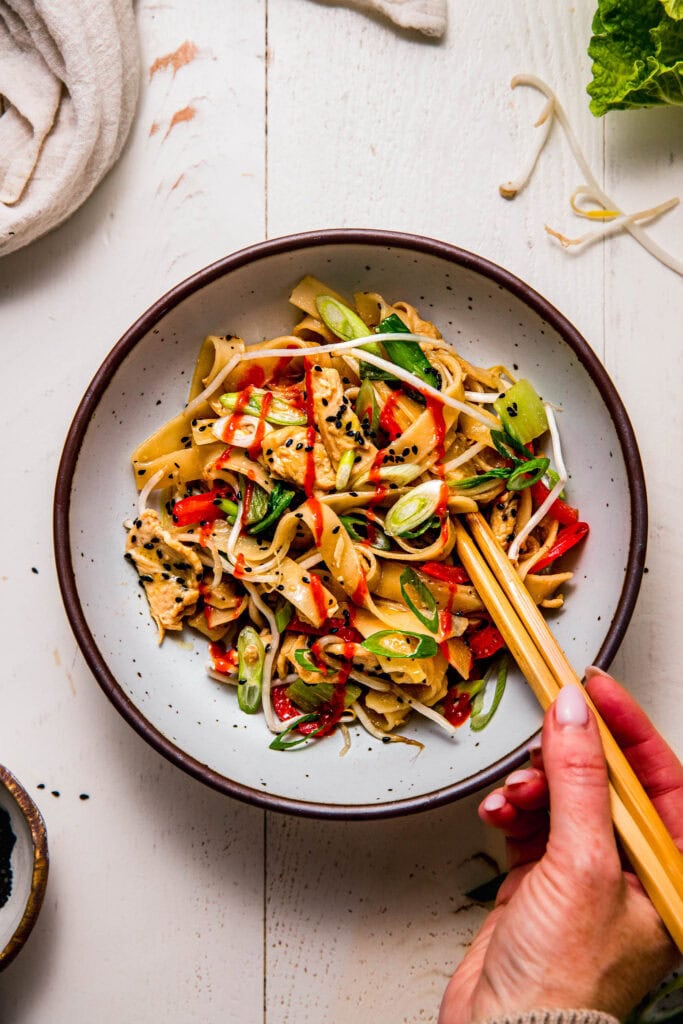
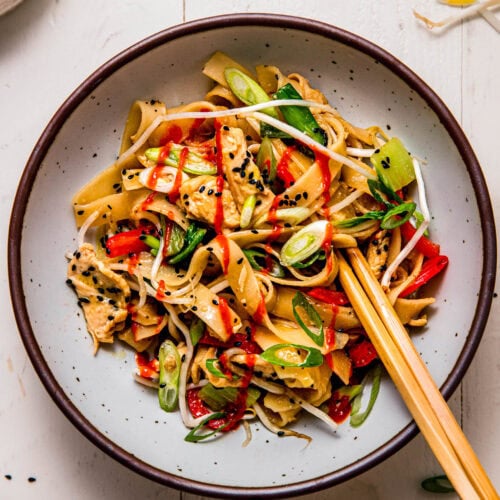
With chewy wide rice noodles, thinly sliced chicken, and a perfectly balanced oyster-soy sauce, this Chicken Chow Fun is a classic Cantonese stir-fry that’s both comforting and quick to make. The high-heat gives the noodles a subtle smokiness, while fresh cabbage, bell pepper, and bean sprouts add the perfect crunch.
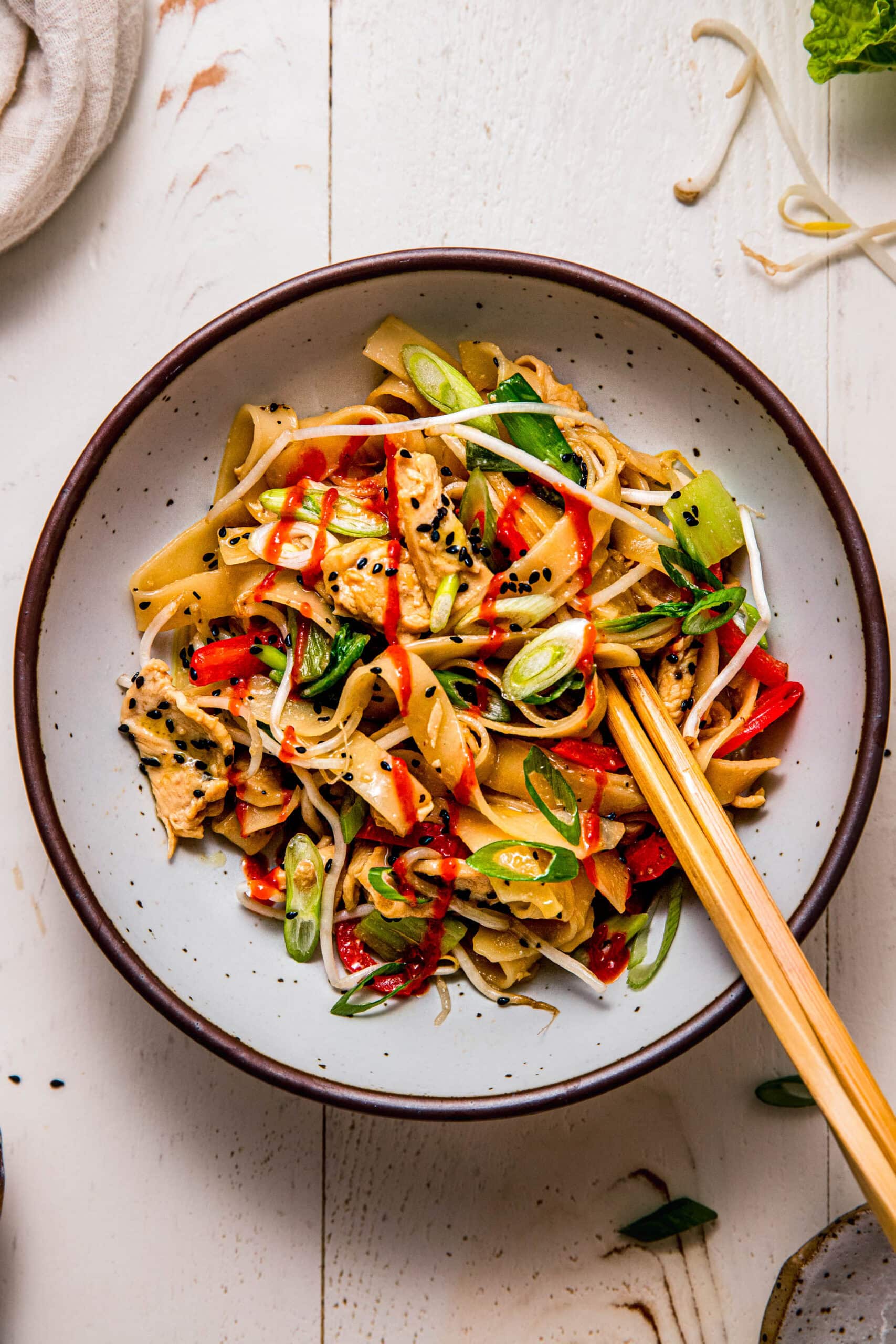
Table of Contents
There’s something so satisfying about skipping takeout and bringing the bold, smoky flavors of your favorite Chinese restaurant straight to your kitchen. This Chicken Chow Fun delivers tender, wide rice noodles stir-fried with juicy chicken and crisp veggies, all coated in a savory sauce that’s incredibly simple to whip up.
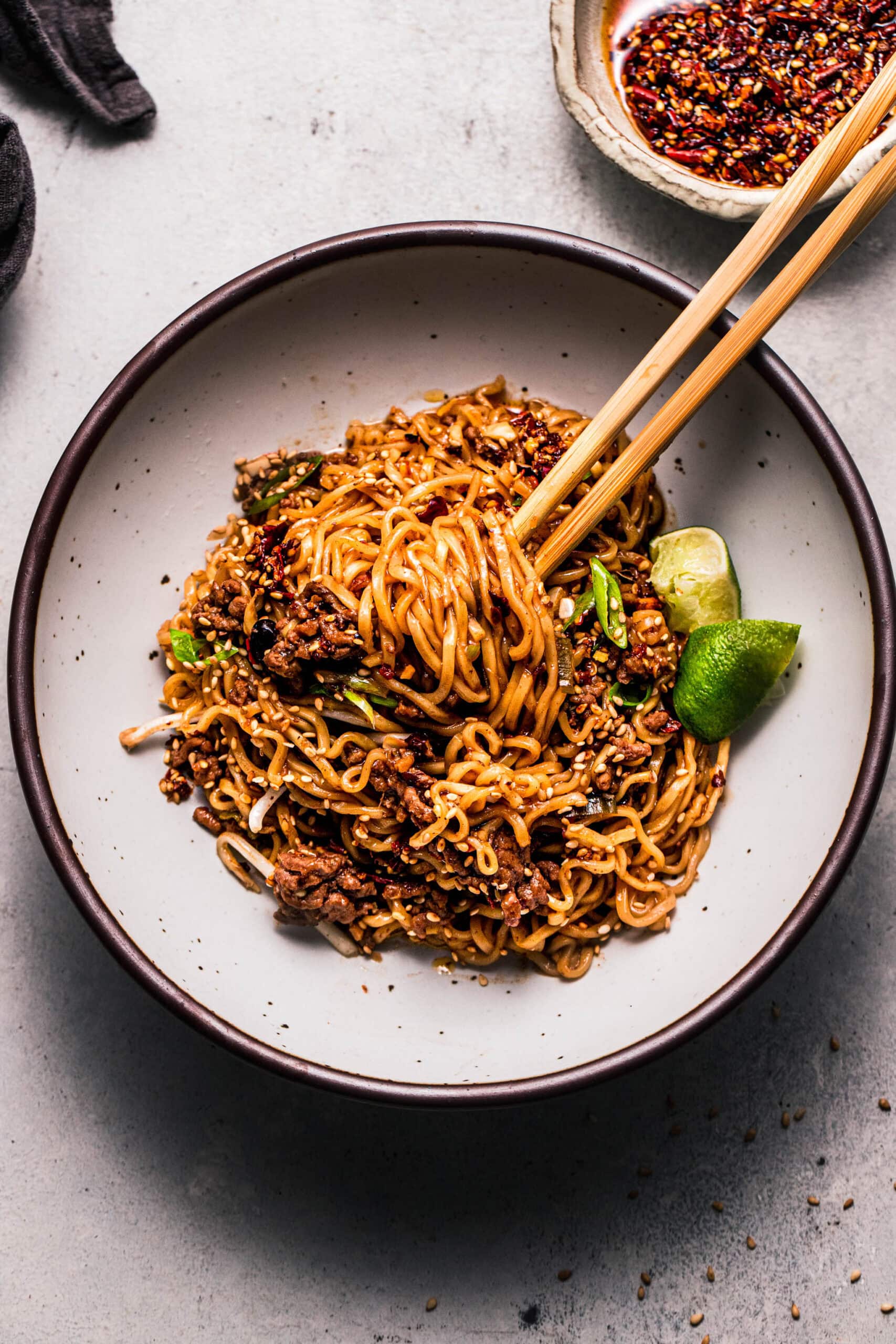
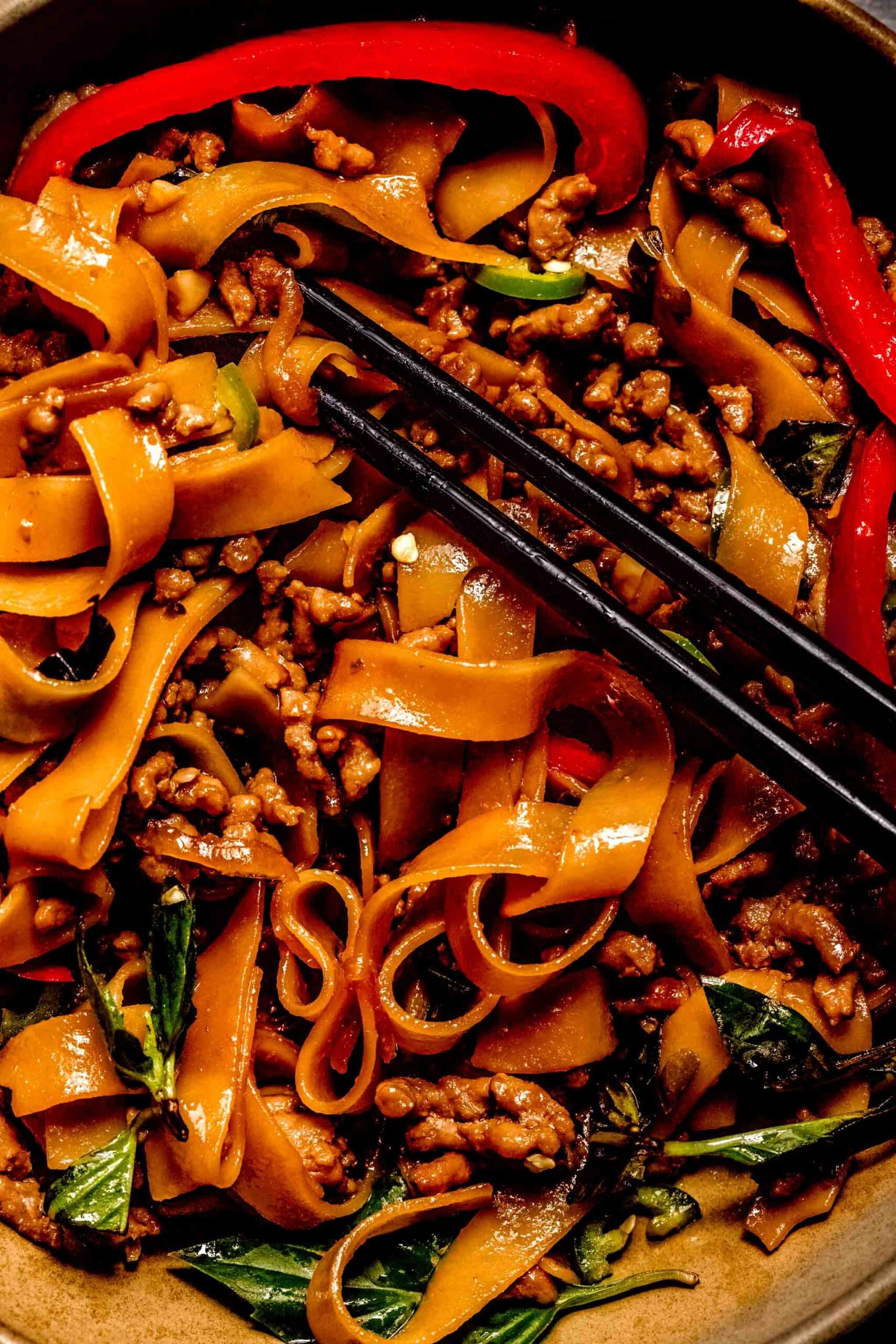
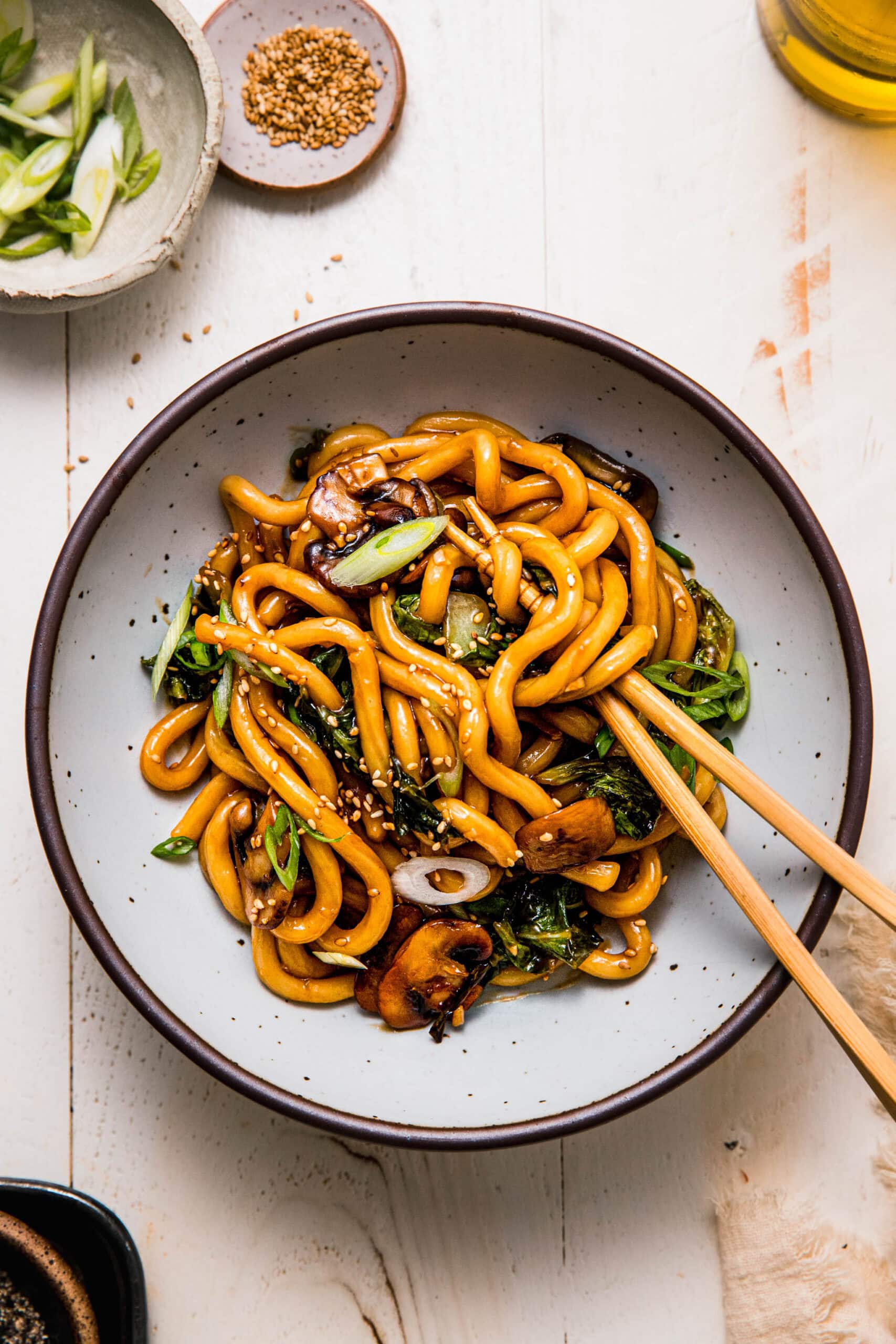
For more Asian dishes with rice noodles, be sure to check out my Spicy Cumin Lamb Noodles and Pad Kee Mao Recipe.

Ingredient notes
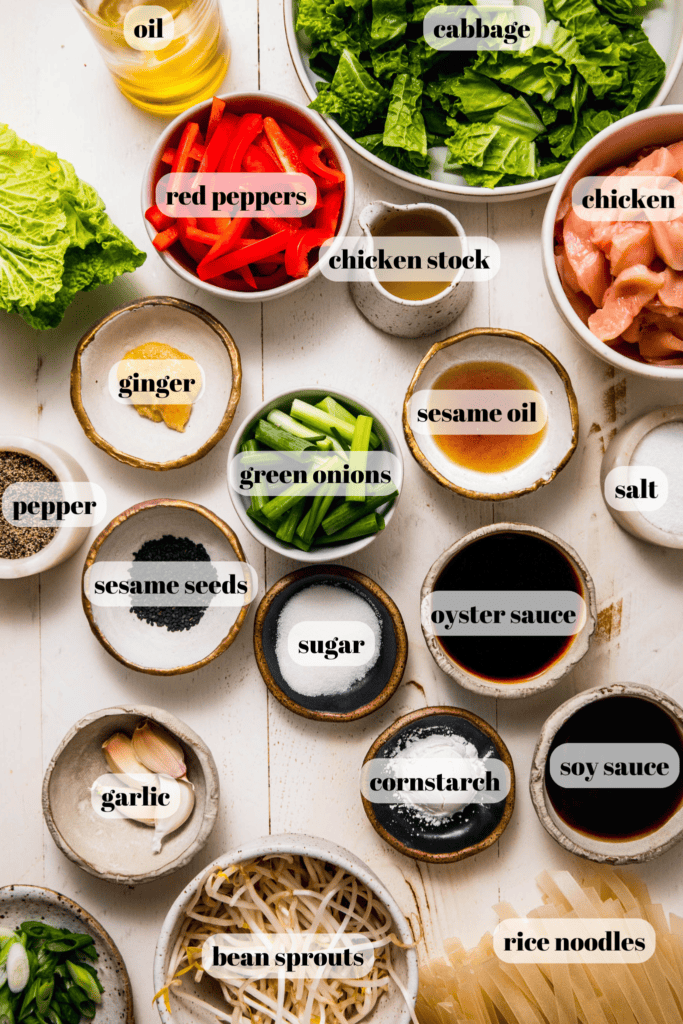
Sauce
- Chicken broth – Chicken broth or vegetable stock will lend the richest flavor, but water can be used in a pinch. For even more nutrition, swap in my slow cooker bone broth.
- Cornstarch – Thickens the sauce.
- Oyster sauce – Essential for authentic savory richness. Make sure to use a high-quality brand.
- Soy sauce – I prefer a low-sodium soy sauce to keep this recipe balanced, but use regular soy sauce if you prefer a bolder level of saltiness. You could also use tamari.
- Sugar – A touch of sweetness to round out the flavors. You could also use maple syrup or honey for a more natural sweetener.
- Toasted sesame oil – This provides a nutty, aromatic depth (a little goes far!). Regular sesame oil works too, but toasted has more flavor. Make sure to store your oil in the fridge to prevent rancidity. Olive oil or avocado oil can be used instead, but you can then expect a milder taste.
- Ginger – Freshly grated or minced ginger gives this recipe a zesty kick that dried ground ginger doesn’t compare to.
- Garlic – Fresh cloves, grated or minced for punchy flavor.
Noodles and Chicken
- Wide rice noodles – Cook until still slightly chewy and rinse under cold water to stop any further cooking
- Chicken – Boneless, skinless chicken breasts, very thinly sliced. You can also use chicken thighs.
- Salt and pepper – To taste.
- Oil – Canola or vegetable oil.
- Stir-fry veggies – Thinly sliced red bell pepper, thinly sliced cabbage (napa or savoy), sliced green onions, and mung bean sprouts.
- Garnish – Toasted sesame seeds (optional) and sliced green onions.
How to make it
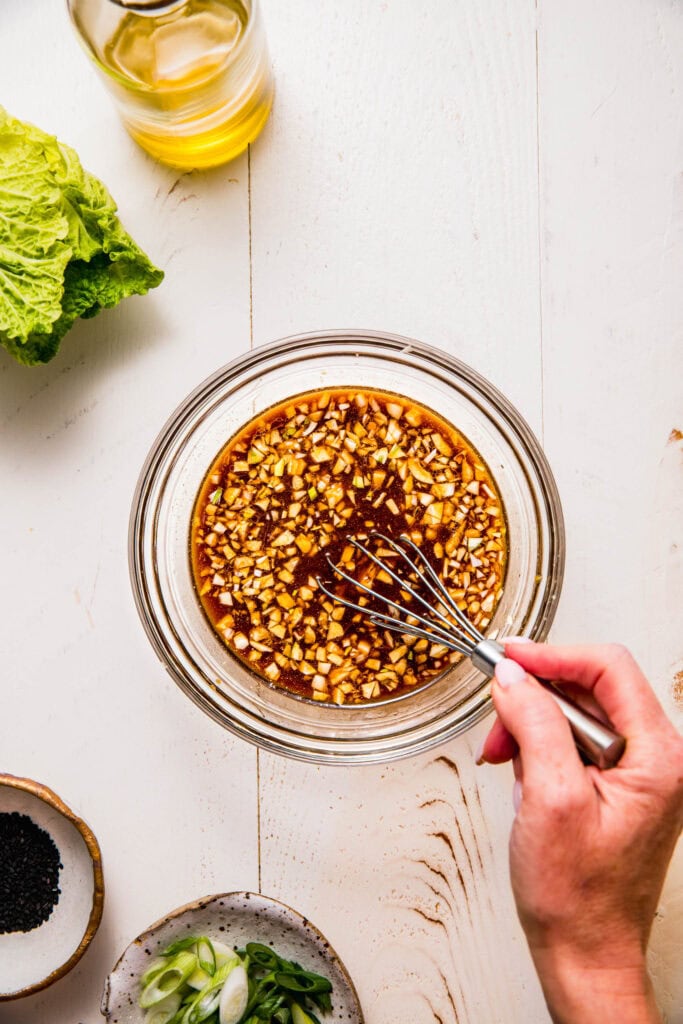
Step 1
Make the sauce and cook noodles
- Boil a large pot of water.
- In a small bowl, whisk broth with cornstarch until smooth, then stir in oyster sauce, soy sauce, sugar, sesame oil, ginger, and garlic.
- Cook noodles, drain, rinse with cold water, and shake off excess.
Step 2
Marinate and cook the chicken
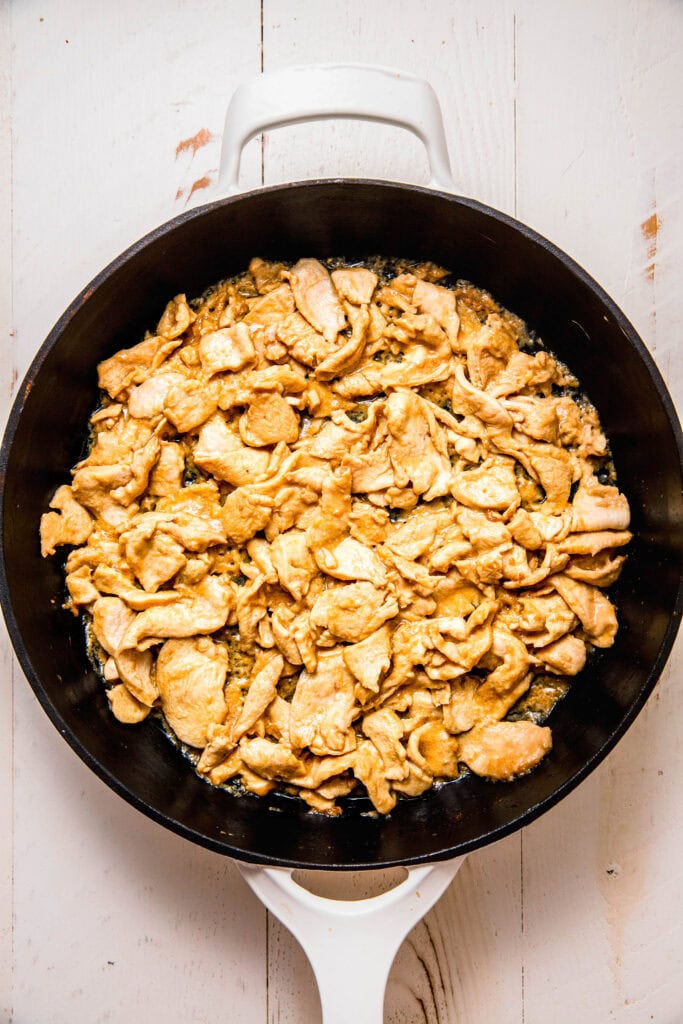
- Season sliced chicken with salt and pepper.
- Toss with ¼–⅓ cup of the sauce and let sit for 5 minutes.
- Heat 2 TBSP oil in a large skillet over medium-high heat. Brown chicken on all sides, then transfer to a plate and cover.
Step 3
Assemble and serve
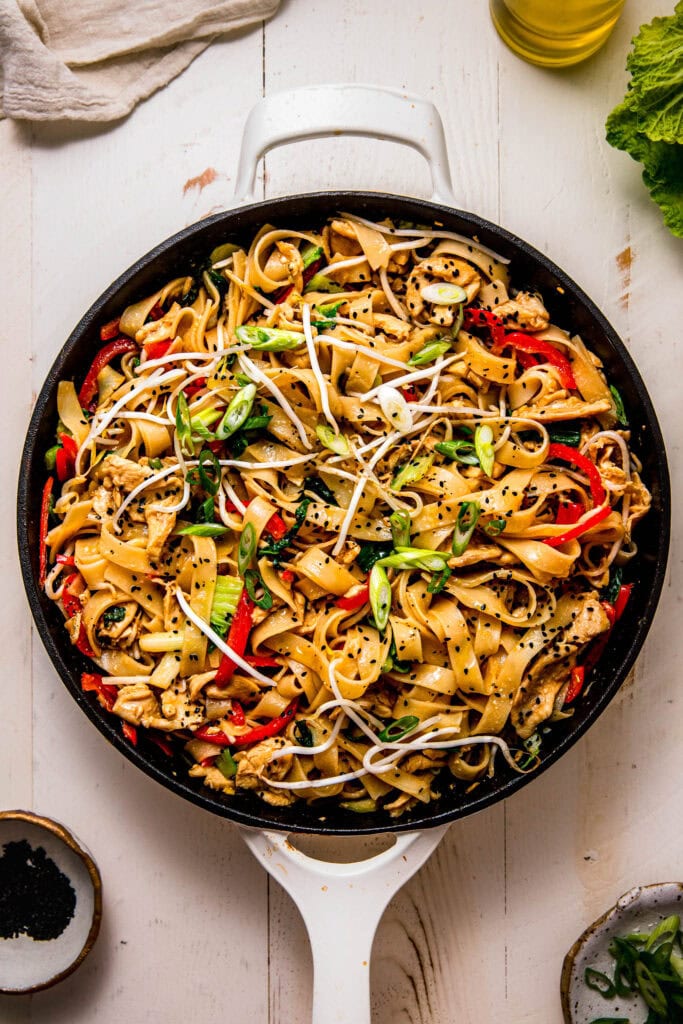
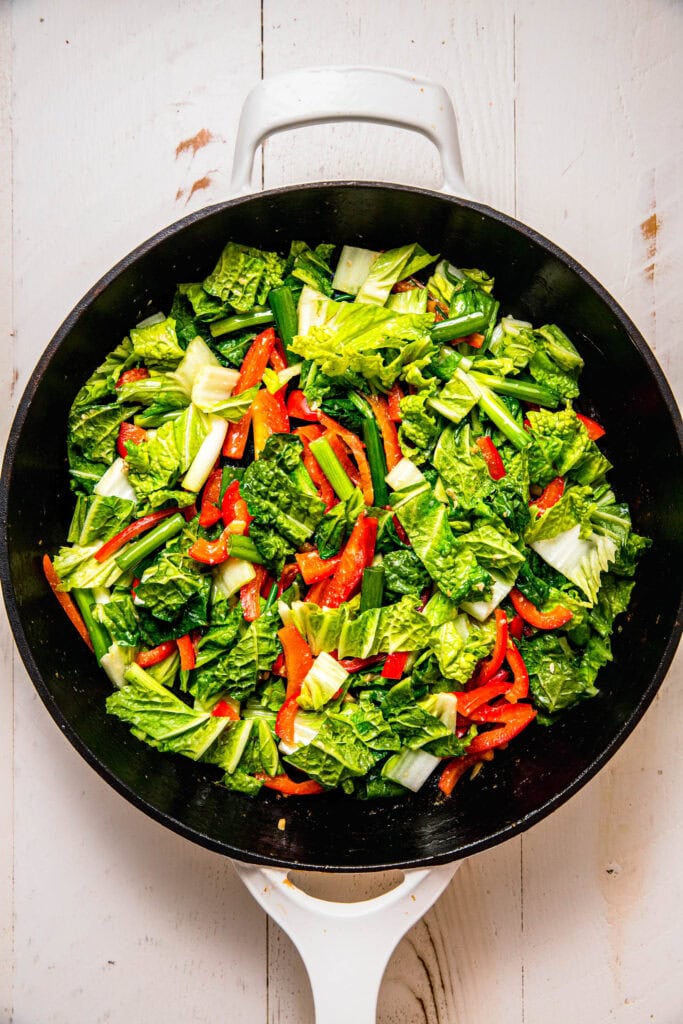
- Add 1 TBSP of oil to the skillet. Stir-fry the peppers, cabbage, and green onions for 2–3 minutes until softening.
- Return chicken to skillet with bean sprouts, noodles, and remaining sauce. Toss to coat evenly.
- Garnish with green onions and sesame seeds if desired.
The Difference Between Three Classic Chinese Noodle Dishes
Lo mein, chow mein, and chow fun may look similar on a menu, but they each deliver a totally different noodle experience! Here’s how to tell them apart:
- Lo Mein: Soft, boiled wheat noodles tossed in a generous, glossy sauce – never fried, always tender and saucy.
- Chow Mein: Par-boiled wheat noodles pan-fried until golden and crispy, then topped with a light, dry sauce for crunchy contrast.
- Chow Fun: Wide, flat rice noodles stir-fried in a hot wok until smoky and charred, with a silky-chewy texture and moderate sauce.
Tips and tricks
- This recipe comes together quickly, so I recommend prepping the veggies and sauce before you start cooking. You can even do this a day ahead and store them in separate containers in the fridge.
- Give the sauce a taste before it goes into the pan to ensure the flavor balance is right. If it tastes too salty, add a pinch more sugar or mirin; if too sweet, finish with a dash more soy sauce or rice vinegar.
- For perfectly crisp-tender vegetables, medium-high to high heat is essential. Make sure your wok or skillet is hot before adding anything. Look for shimmering, lightly smoking oil as your cue.
- Make this sauce ahead – flavors improve after resting in the fridge!
- Don’t overcook the noodles or they will be mushy. I like to shave 2 minutes off the package directions since the noodles will cook further in the pan with the veggies and sauce. You must rinse the cooked noodles under cold water as a way to halt any further cooking.
Variations
Similar to other noodle stir-fries, this chicken chow fun can easily be customized to your liking. Feel free to get creative with this recipe, or try these ideas to make it your own:
- Protein swaps: Add in ground meat, tender beef strips, sliced lamb, pork loin, or shrimp.
- Add more vegetables: Mix and match the vegetables in the recipe with even more veggies like carrots, snap peas, mushrooms, broccoli, edamame, zucchini, baby corn, and spinach.
- Customize the sauce: Boost the umami flavor by stirring fish sauce or miso paste into the stir fry sauce. Or, for a kick of heat, add chili oil, Sriracha sauce, or diced fresh chilies. For more ideas, check out these 17+ Sauces for Rice Noodles!
Serving suggestions
Just before serving, add a sprinkle of toasted sesame seeds and sliced green onions. You can also experiment with furikake, chili oil, or a drizzle of sesame oil. All of these optional garnishes will elevate the dish.
Apart from the garnishes, try these delicious side dishes to pair with your chicken chow fun:
- Gyoza or Potstickers with Dipping Sauce
- Or check out these 30+ Asian Side Dishes!
Storing
- This chicken chow fun is best served fresh out of the skillet. If you have leftovers, feel free to store them in an airtight container in the fridge for 2 to 3 days.
- To reheat, microwave the leftovers for 1 to 2 minutes or warm them in a skillet over medium heat with a drizzle of oil until heated through.

Erin’s wine pairings for chicken chow fun
Pair your chow fun stir fry with one of these favorites:
- Sake is an easy choice for most noodle recipes. Look for Junmai or Honjozo sake, both of which offer a clean, slightly fruity flavor that pairs beautifully with the umami-rich sauce.
- Alternatively, if you have an easier time finding it, go with a versatile white wine like Riesling or Pinot Grigio.
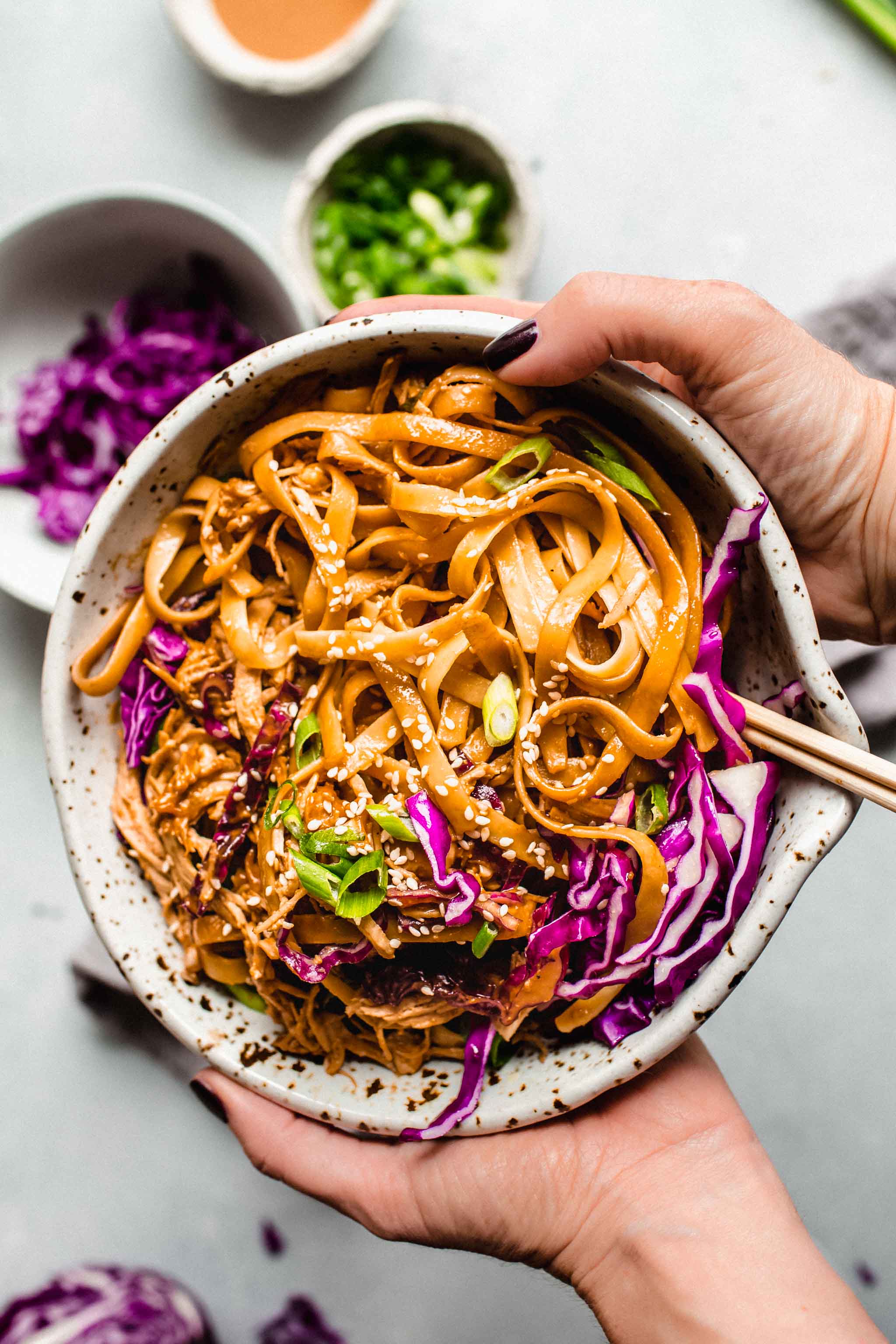
More Asian noodle dishes


Did you make this chicken chow fun?
If you loved this chicken chow fun, I would appreciate it so much if you would leave a ⭐️star review⭐️! Also, be sure to snap a picture of your finished dish and share it with me on Instagram using the hashtag #platingsandpairings and tagging me @platingsandpairings.
For more great Platings & Pairings recipes, be sure to follow me on Pinterest, Facebook, YouTube, Twitter, and TikTok.
Full Recipe
Chicken Chow Fun
Ingredients
- ⅓ cup chicken broth
- 1 Tablespoon cornstarch
- ⅓ cup oyster sauce
- 1/3 cup soy sauce (low-sodium )
- 2 teaspoons sugar
- 1 Tablespoons toasted sesame oil
- 2 inches ginger (grated or minced)
- 4 cloves garlic (grated or minced)
For the Noodles and Chicken
- 1 pound wide rice noodles
- 1 pound chicken breasts (boneless and skinless, very thinly sliced)
- Salt and pepper (to taste)
- 3 tablespoons canola oil (or vegetable oil)
- 1 red bell pepper (thinly sliced into matchsticks)
- 3 cups cabbage (thinly sliced, preferably napa or savoy)
- 3 green onions (sliced into 1-inch pieces)
- 1 cup mung bean spouts
To Garnish
- Toasted sesame seeds (optional)
- Green onions (sliced)
Instructions
- Bring a large pot of water to boil.
- Meanwhile, in a small bowl, whisk together the ⅓ cup chicken broth and 1 Tablespoon cornstarch, until smooth. Add the ⅓ cup oyster sauce, 1/3 cup soy sauce, 2 teaspoons sugar, 1 Tablespoons toasted sesame oil, 2 inches ginger and 4 cloves garlic and whisk to combine.
- Cook the 1 pound wide rice noodles according to package directions. Transfer to a colander to drain, and rinse with cold water, shaking off excess.
- Season sliced 1 pound chicken breasts with salt and pepper. Place in a shallow dish or bowl and add ¼ cup of the sauce and marinate the chicken for about 5 minutes.
- Heat 2 TBSP oil in a large skillet over medium-high heat. Add the chicken and cook until browned on all sides. Remove to a plate, and cover to keep warm.
- Add the remaining 1 TBSP oil to the skillet. Once hot, add the 1 red bell pepper, 3 cups cabbage, and 3 green onions. Cook for 2-3 minutes, until beginning to soften. Pour in the sauce, browned chicken, 1 cup mung bean spouts and the cooked noodles. Toss to combine and coat the noodles in the sauce.
- Enjoy sprinkled with green onions and sesame seeds, if desired.
Notes
- This chicken chow fun is best served fresh out of the skillet. If you have leftovers, feel free to store them in an airtight container in the fridge for 2 to 3 days.
- To reheat, microwave the leftovers for 1 to 2 minutes or warm them in a skillet over medium heat with a drizzle of oil until heated through.
- This recipe comes together quickly, so I recommend prepping the veggies and sauce before you start cooking. You can even do this a day ahead and store them in separate containers in the fridge.
- Give the sauce a taste before it goes into the pan to ensure the flavor balance is right. If it tastes too salty, add a pinch more sugar or mirin; if too sweet, finish with a dash more soy sauce or rice vinegar.
- For perfectly crisp-tender vegetables, medium-high to high heat is essential. Make sure your wok or skillet is hot before adding anything. Look for shimmering, lightly smoking oil as your cue.
- Make this sauce ahead – flavors improve after resting in the fridge!
- Don’t overcook the noodles or they will be mushy. I like to shave 2 minutes off the package directions since the noodles will cook further in the pan with the veggies and sauce. You must rinse the cooked noodles under cold water as a way to halt any further cooking.
- Protein swaps: Add in ground meat, tender beef strips, sliced lamb, pork loin, or shrimp.
- Add more vegetables: Mix and match the vegetables in the recipe with even more veggies like carrots, snap peas, mushrooms, broccoli, edamame, zucchini, baby corn, and spinach.
- Customize the sauce: Boost the umami flavor by stirring fish sauce or miso paste into the stir fry sauce. Or, for a kick of heat, add chili oil, Sriracha sauce, or diced fresh chilies. For more ideas, check out these 17+ Sauces for Rice Noodles!

Leave a Reply